
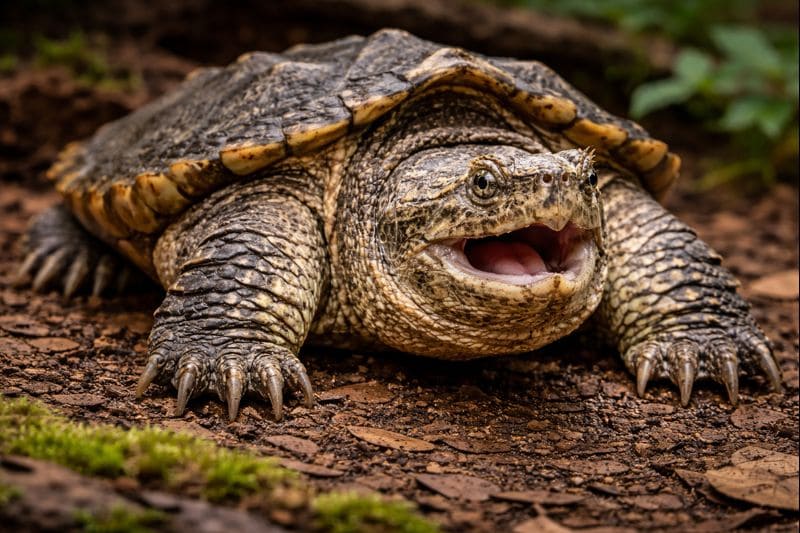
Snapping tortoises look like they swam straight out of prehistory—and in a way, they did. Built for survival, these rugged reptiles are famous for their strong jaws, algae-dusted shells, and “don’t mess with me” attitude on land. In the water, though, they’re surprisingly graceful, gliding through ponds, rivers, and marshes like quiet, patient hunters. While people often lump them together with other turtles, the snapping tortoise has its own story: part ambush predator, part scavenger, and part ecosystem clean-up crew. Whether you’ve heard of the legendary alligator snapping tortoise or spotted a smaller snapper near your dock, understanding how these animals live can change the way you see a muddy shoreline forever.
What Is a Snapping Tortoise, Really?
Despite the name you may hear in casual conversation—like snapping turtle tortoise—snappers are turtles, not true tortoises. The nickname tends to stick because they look so armored and heavy, especially when they haul themselves onto land. Their shells are often darker and rougher than many pond turtles, and their long tails can seem almost dinosaur-like.
There are two main “types” most people talk about in North America: the common snapping turtle and the alligator snapping tortoise. The alligator snapper is the heavyweight celebrity, known for a large head, rugged shell ridges, and a reputation for being one of the most formidable freshwater turtles around. Some folks even shorten names into odd labels like alligator tortoise, but it usually points back to that same iconic species.
Snapping tortoises aren’t out there looking for trouble—they’re simply defensive when cornered. In water, they rely on stealth. On land, their best strategy is often intimidation: a hiss, a quick lunge, and that unmistakable snap that gives them their name.
Habitat, Behavior, and That Famous “Snap”
Snappers thrive where there’s soft bottom mud, vegetation, and a steady supply of food. Slow rivers, lakes, farm ponds, wetlands, and marsh edges are perfect. They spend much of their time submerged, with only eyes and nostrils peeking above the surface.
One reason these turtles seem so bold is that they’re built for an ambush lifestyle. They’ll lie still and wait, then strike fast. The alligator snapping tortoise takes this approach to an extreme, using a clever trick: a worm-like lure on its tongue to attract fish. When prey gets close—snap—dinner is served.
Common snappers are less specialized but incredibly adaptable. They’ll eat fish, frogs, crayfish, insects, and aquatic plants, and they won’t waste a free meal if they find carrion. That scavenger side helps keep waterways cleaner than many people realize.
On land, snappers are awkward and exposed, so they feel threatened more easily. That’s when the “snappy tortoise” personality shows up: they may gape their mouth, lunge, or try to bite if handled. It’s not aggression for fun—it’s pure self-defense. The safest move is always to admire from a respectful distance.
How Big Do They Get and How Long Do They Live?
Size depends on species, habitat quality, and age. The alligator snapping tortoise can grow impressively large, with a thick, powerful build and a massive head. Common snappers are usually smaller but still hefty compared to many backyard pond turtles.
Their lifespan is another reason people call them “ancient.” Many snapping turtles can live for decades, and some may reach remarkable ages in the wild under the right conditions. Slow growth, late maturity, and long life make them especially vulnerable to habitat loss and road mortality—because it takes a long time for populations to recover.
If you ever see one crossing a road, it’s likely a female heading to nest. This is the riskiest time for them. A turtle that survives year after year is a big deal for the local ecosystem.
Snapping Tortoises in Captivity: Better Admired Than Owned
Some reptiles thrive in human care, but snapping tortoises are rarely a beginner-friendly choice. They get large, require serious filtration, and can be stressed by frequent handling. Their bite is no joke, and their needs aren’t the same as smaller turtles commonly kept in aquariums.
If you’re building a reptile setup at home, many people find it more practical to start with a calmer species—like a ball python snake—because the enclosure needs, handling expectations, and daily routines are generally more manageable. Snappers, by contrast, are best appreciated as wild neighbors rather than pets.
That said, learning about them can still improve how you care for local wildlife. Keeping ponds clean, protecting wetlands, and driving carefully near waterways in nesting season all help these living fossils continue their quiet work in the background.
Conclusion
Snapping tortoises are the armored originals of freshwater habitats: patient, adaptable, and built to endure. From the legendary alligator snapping tortoise to the more widespread common snapper, their reputation comes from defense, not malice. They’re hunters, scavengers, and survivors that play an important role in healthy wetlands and waterways. The next time you hear someone call one a snapping turtle tortoise or joke about a “snappy tortoise,” you’ll know the truth is more interesting: these reptiles are less about aggression and more about ancient design doing exactly what it was made to do—survive.