
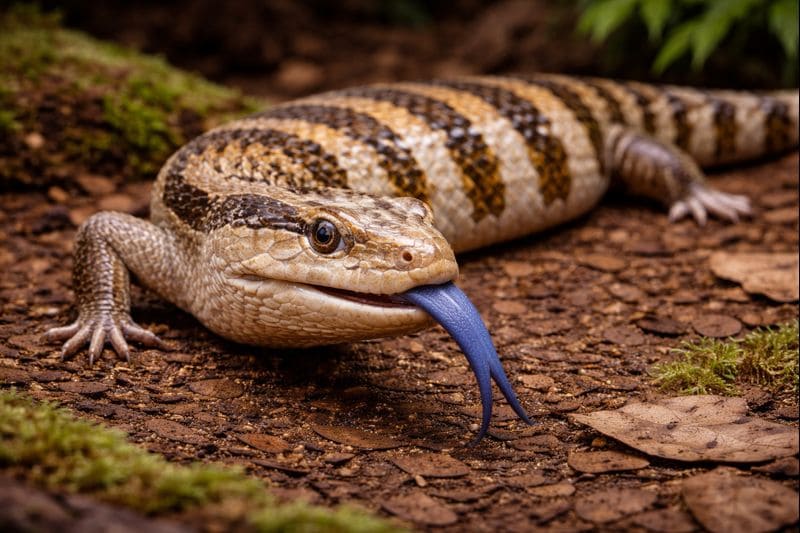
Skinks are the quiet celebrities of the reptile world: sleek, curious, and often surprisingly personable. If you’ve ever seen a lizard slip through leaf litter like living sunlight, there’s a good chance you were watching a reptile skink. With thousands of species ranging from tiny, jewel-toned climbers to sturdy, ground-dwelling bruisers, skinks thrive in deserts, forests, coastal dunes, and even suburban gardens. Their smooth scales and confident posture make them ideal “gateway reptiles” for new keepers, yet longtime hobbyists love them for the same reason—there’s always more to learn. From bold blue tongues to blink-and-you’ll-miss-it tails, skinks bring a whole spectrum of behaviors and beauty to any reptile conversation.
Skinks 101: What Makes Them Different
Skinks belong to a huge family of lizards known for streamlined bodies, small (sometimes nearly hidden) limbs, and glossy scales that reduce friction as they burrow or dash through tight spaces. Many species are masters of “life on the ground,” using speed and stealth instead of climbing high or basking in obvious places. That doesn’t mean they’re boring—skinks can be alert, food-motivated, and highly routine-oriented, which makes them fun to observe.
One standout trait is tail autonomy: some skinks can drop their tails to escape predators, leaving the wriggling tail as a distraction while the skink vanishes. The tail may regrow, but it can look different afterward, and the process costs energy—so gentle handling and secure enclosures are important. In temperament, skinks often lean calm compared to many fast, flighty lizards, but they still need respectful, patient interaction. Think of them as “watch first, handle second” reptiles that reward consistency over speed.
The Blue-Tongued Icons: Big Personalities, Bold Signals
If skinks had a mascot, it would be the blue tongue skink. These sturdy lizards are famous for their dramatic threat display: they open their mouths wide and flash a vivid tongue to startle predators. That tongue—yes, the blue tongue skink tongue—is more than a party trick. It’s a warning signal that says, “I’m not easy prey,” and it’s one reason the blue tongue lizard has become a household name in reptile circles.
Blue-tongues are also popular because they’re expressive and often settle into a predictable routine. They tend to be food-driven, which helps with trust-building. Many keepers describe them as confident rather than cuddly—more like a small, scaly bulldozer that learns where the good snacks come from. Their build and appetite also mean you need to think carefully about space, enrichment, and diet variety. A bored skink gets restless; a well-stimulated one becomes a fascinating daily companion. For reptile fans who also enjoy snakes, it’s fun to compare their habits to something like a garter snake—both can be active, observant, and surprisingly bold when they feel secure, but their care styles and feeding needs are very different.
Smaller Stars: From Red Eyes to Flashy Tails
Not all skinks are chunky and bold. Some are tiny, quick, and stunningly colored. The crocodile red eyed skink is a great example: it has a dark, armored look and striking eyes that give it a prehistoric vibe. These skinks are often more “display pets” than hands-on animals, thriving when they have lots of cover, stable humidity, and a setup that lets them feel hidden but safe. When conditions are right, they’ll reward you with natural behaviors—slinking, basking in dappled light, and exploring after the room quiets down.
Then there’s the blue tail skink, known for a tail that can look almost neon in certain lighting. In the wild, that bright tail can draw attention away from the body, so if a predator strikes, it’s more likely to grab the tail—exactly the part the skink can drop to escape. This is a perfect example of skink survival “design”: fast decisions, fast movement, and a backup plan.
Whether you’re drawn to the calm confidence of blue-tongues or the secretive charm of smaller species, skinks remind us that reptiles don’t need to roar to be compelling. They simply live their ancient, elegant lives—one smooth, shining scale at a time.
Word