
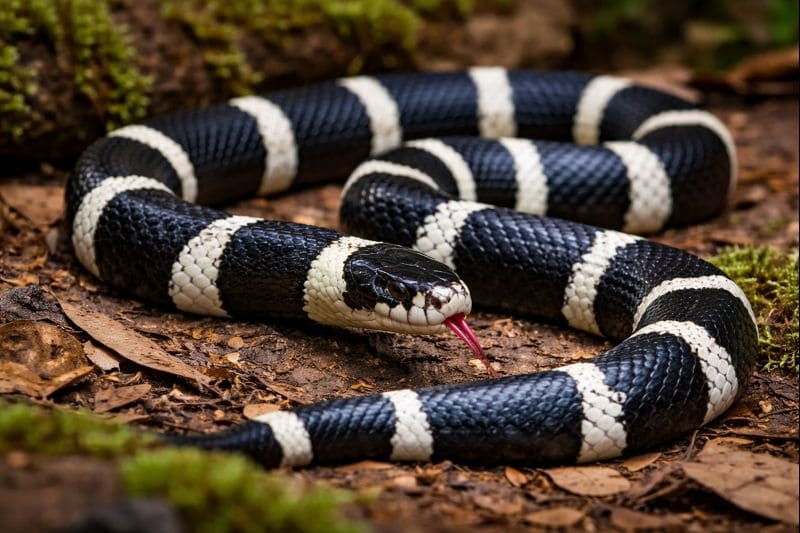
King snakes have a well-earned reputation for being confident, adaptable, and surprisingly beneficial to have around (at a respectful distance, of course). Found across a wide range of habitats—woodlands, grasslands, deserts, and even suburban edges—these snakes are skilled survivors that quietly do important work in local ecosystems. Their patterns can be striking, from bands and speckles to sleek, glossy black, but their real claim to fame is their diet and resilience. As we explore what makes a king snake so fascinating, you’ll see why they’re often admired by reptile enthusiasts and appreciated by people who simply want a balanced backyard food web.
What Makes a King Snake a “King”?
The name “king” isn’t just for show. Many king snakes are known for their ability to eat other snakes, including venomous species in some regions. They have a natural resistance to certain snake venoms, and they rely on constriction—coiling around prey and tightening until the prey can’t breathe. That hunting style, along with their broad diet, gives them an edge in environments where food sources change with the seasons.
King snakes are also masters of camouflage and patience. They’ll use leaf litter, rocks, logs, and tall grasses to stay hidden, then ambush prey with quick precision. Their menu often includes rodents, lizards, birds’ eggs, frogs, and other snakes, which makes them valuable pest controllers in many areas. While they may look intimidating, they’re typically nonvenomous and would rather avoid conflict than pick a fight with something larger.
Habitat, Behavior, and Daily Life
One reason king snakes thrive is their flexibility. They can live in dry deserts, humid forests, and everything in between as long as they can find shelter and prey. During warmer months, you might spot one basking in early sunlight near a trail or stone wall. In hot weather, they may become more active at dawn or dusk to avoid overheating.

Temperament can vary by individual and species, but many king snakes respond to threats with classic defensive moves: vibrating the tail in dry leaves, releasing a musky odor, or attempting a quick escape. Biting is usually a last resort. In the wild, leaving them space is best. If you’re observing from a distance, you’ll notice how smoothly they move—confident but cautious, like an animal that understands exactly where it fits in the food chain.
Care Notes and the Bigger Reptile Context
For people who keep reptiles, king snakes are often discussed as a hardy option—yet “hardy” should never be mistaken for “simple.” Their well-being depends on proper temperatures, secure housing, and consistent routines. A secure enclosure is crucial because king snakes are talented escape artists. Clean water, appropriate hides, and a stable warm-to-cool gradient help them feel safe.
It’s also important to understand their strong feeding responses. Because they’re opportunistic hunters, they can be enthusiastic at mealtime and may mistake fingers for food if handled carelessly around feeding time. Thoughtful routines—like using feeding tools and washing hands—reduce stress for both snake and keeper.
If your interests extend beyond snakes, it can be helpful to compare them to other species you might read about on Talking Reptiles. A large monitor reptile, for example, lives life on a very different scale: bigger space needs, more complex enrichment, and often a stronger focus on active exploration. In contrast, king snakes are more about stealth, security, and controlled environments that mimic natural shelter and temperature shifts.
Why King Snakes Matter in the Wild
Whether you love them or fear them, king snakes play a practical role in keeping ecosystems steady. By preying on rodents, they can help limit population booms that impact crops and spread disease. By eating other snakes, they influence the balance of predator species in a region. In short, they’re a quiet regulator—one of those animals you may rarely see, but whose presence shapes what you do see.
They also remind us of a key reptile truth: most reptiles aren’t “out to get” anyone. They’re out to survive. When we learn how they behave—where they hide, when they move, and what they eat—we’re less likely to panic and more likely to respect their space. If you ever encounter a king snake outdoors, the best response is simple: admire from a distance, let it pass, and appreciate the job it’s doing.